Generating leads online is no longer optional for most businesses in Kenya.
Your potential customers are searching on Google, scrolling through social media, comparing businesses, reading reviews and visiting websites before deciding who to contact.
But simply having a website or social media page doesn’t guarantee that you’ll generate enquiries.
You need a system that gets your business in front of the right people, gives them a reason to trust you and makes it easy for them to take the next step.
In this guide, we’ll show you practical ways to generate more leads online in Kenya and how different digital marketing channels can work together to turn online attention into real business opportunities.
What Is a Lead?
Before looking at how to generate more leads, it’s important to understand what a lead actually is.
A lead is a person or business that has shown interest in what you offer and has taken some form of action that allows you to follow up with them.
For example, a lead might:
- Fill out your contact form
- Request a quotation
- Send you a WhatsApp message
- Call your business
- Book a consultation
- Sign up for your email list
- Submit an enquiry
- Request a product demonstration
A website visitor is not necessarily a lead.
A social media follower is not necessarily a lead.
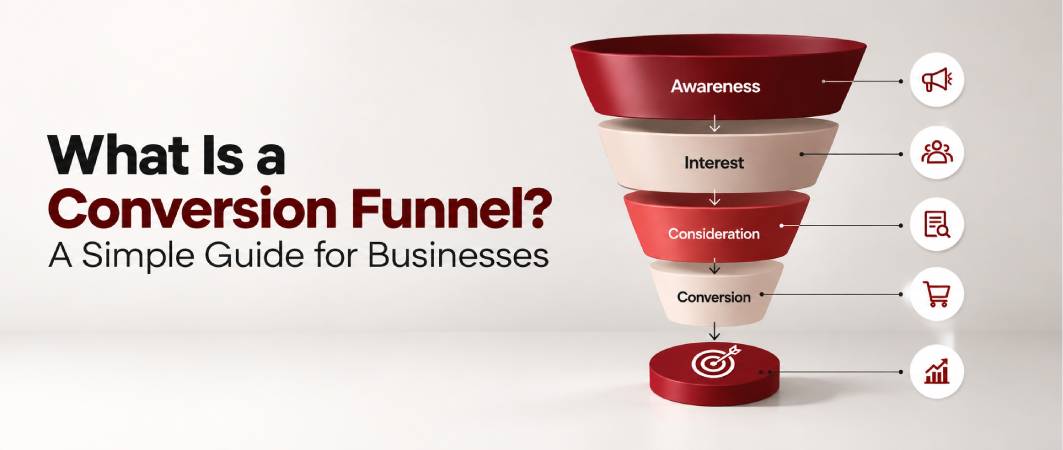
The goal is to move people from awareness → interest → action.
1. Build a Website Designed to Generate Leads
Your website is often one of the most important assets in your lead-generation strategy.
But there is a big difference between having a website and having a website that generates leads.
A lead-generating website should make it immediately clear:
- What your business does
- Who you serve
- What problem you solve
- Why customers should choose you
- What they should do next
Your website should also make contacting you simple.
Consider including:
- Clear calls to action
- Contact forms
- WhatsApp integration
- Click-to-call buttons
- Service pages
- Customer testimonials
- Case studies
- FAQs
- Clear pricing or quotation options where appropriate
If someone is interested in your service but cannot easily figure out how to contact you, you could lose the lead.
2. Get Your Business Found on Google
One of the most valuable sources of leads is people who are already searching for what you offer.
Imagine someone searches:
or:
“commercial kitchen equipment suppliers Nairobi”
or:
“best accountant for small business Kenya”
These searches indicate that the person may already have a problem or need.
This is where Search Engine Optimisation (SEO) becomes important.
SEO helps your website improve its visibility for relevant searches.
Effective SEO can involve:
- Keyword research
- On-page optimisation
- Technical SEO
- Content creation
- Internal linking
- Local SEO
- Website performance
- Search intent optimisation
The objective isn’t simply to rank for random keywords.
It’s to appear when the right people are searching for what your business offers.
3. Optimise Your Google Business Profile
If your business serves customers in a particular location, your Google Business Profile can be an important part of your lead-generation strategy.
Make sure your profile has:
- Correct business information
- Accurate opening hours
- Relevant categories
- Website link
- Phone number
- Business description
- Quality photographs
- Customer reviews
Encourage genuine customers to leave reviews after working with you.
Positive reviews can help potential customers feel more confident about contacting your business.
Your Google Business Profile and website should also contain consistent business information.
4. Create Content That Answers Customer Questions
One of the best ways to attract potential customers is to answer the questions they are already asking.
For example, a real estate company could create:
“How Much Does It Cost to Buy an Apartment in Nairobi?”
A digital marketing agency could publish:
“How Much Does Digital Marketing Cost in Kenya?”
A commercial kitchen supplier could publish:
“How to Choose Commercial Kitchen Equipment for a New Restaurant.”
This type of content can attract people earlier in their buying journey.
Someone may not be ready to contact you today, but useful content introduces them to your brand.
Over time, repeated exposure can build familiarity and trust.
5. Use Social Media to Build Trust
Social media isn’t only about gaining followers.
It can help potential customers understand:
- Who you are
- What you offer
- How your products work
- What your customers think
- What makes you different
Instead of posting only promotional messages such as:
“Buy from us today!”
create a mix of:
- Educational content
- Product demonstrations
- Customer testimonials
- Case studies
- Behind-the-scenes content
- Industry insights
- FAQs
- Tips and advice
- Offers and promotions
The objective is to give people reasons to trust your business before asking them to buy.
6. Use Paid Advertising to Reach the Right People
Organic marketing can take time.
Paid advertising allows you to put your business in front of targeted audiences much faster.
Platforms such as:
- Google Ads
can be used depending on your audience and objectives.
Google Ads can be particularly useful when people are actively searching for your products or services.
Meta advertising can help you reach people based on factors such as interests, demographics and behaviours.
But running an advertisement isn’t enough.
Your campaign also needs:
The right audience + compelling creative + strong offer + good landing page + conversion tracking.
Without those elements, advertising can become expensive very quickly.
7. Create Dedicated Landing Pages
One common mistake businesses make is sending every advertisement to their homepage.
Your homepage has to serve many different purposes.
A landing page can focus on one specific offer and one specific audience.
For example:
Commercial Kitchen Solutions for Restaurants and Hotels
could have a landing page specifically designed around commercial kitchen enquiries.
The page might include:
- Strong headline
- Clear benefits
- Relevant images
- Testimonials
- Key services
- FAQs
- Contact form
- WhatsApp button
- Strong call to action
The fewer distractions, the easier it is for the visitor to take the intended action.
8. Make Your Call-to-Action Clear
Don’t assume visitors know what to do next.
Tell them.
Instead of ending a page with:
“Thank you for visiting our website.”
try:
Request a Free Quote
or:
Book a Consultation
or:
Chat With Us on WhatsApp
or:
Get Started Today
Your CTA should match the visitor’s stage in the buying process.
Someone who is still researching may prefer:
“Learn More”
Someone ready to buy may prefer:
“Request a Quote.”
9. Use WhatsApp to Capture Enquiries
WhatsApp is already widely used by businesses and customers in Kenya, making it a useful channel for lead generation.
Instead of making someone fill out a long form, you can give them a direct way to start a conversation.
For example:
Have a question? Chat with us on WhatsApp.
A WhatsApp CTA can be particularly useful for businesses where customers need to ask questions before making a purchase.
Keep the process simple.
The fewer unnecessary steps between interest and conversation, the better.
10. Build Trust Before Asking for the Sale
People are more likely to contact businesses they trust.
Your website and social media should therefore demonstrate credibility.
Consider adding:
Customer Reviews
Show genuine feedback from customers.
Case Studies
Explain the problem, solution and outcome.
Portfolio
Show examples of your work.
Certifications and Partnerships
Where relevant, display legitimate professional credentials.
Business Information
Make it easy for people to understand who you are and how to reach you.
Trust doesn’t happen because you tell people you’re trustworthy.
You build it by showing evidence.
11. Follow Up With Potential Customers
Not every person who visits your website will contact you immediately.
Some may:
- Compare competitors
- Discuss the purchase internally
- Wait for a budget
- Need approval
- Come back later
This is why follow-up matters.
Depending on your business, you can use:
- Email marketing
- WhatsApp follow-ups
- Remarketing
- Phone calls
- CRM systems
The goal is to remain relevant without becoming intrusive.
12. Track Where Your Leads Come From
If you don’t track your leads, you won’t know which marketing activities are actually working.
Imagine you receive 50 enquiries in a month.
Where did they come from?
- Google?
- Instagram?
- Facebook?
- Google Ads?
- Your website?
- WhatsApp?
- Referrals?
Tracking helps you understand where your marketing investment is producing results.
Useful metrics include:
- Website conversions
- Leads generated
- Cost per lead
- Conversion rate
- Organic traffic
- Search rankings
- Advertising performance
- Return on ad spend
This allows you to invest more in what works and reduce spending on what doesn’t.
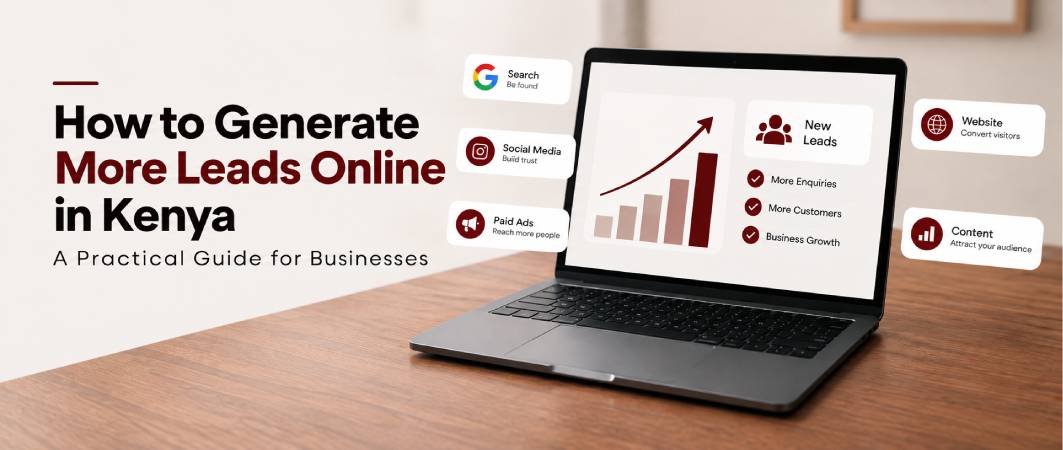
13. Combine Multiple Digital Marketing Channels
One of the biggest mistakes businesses make is expecting one channel to do everything.
SEO can bring organic traffic.
Social media can build awareness and trust.
Paid advertising can generate targeted traffic.
Content can educate potential customers.
Your website can convert visitors.
Analytics can tell you what’s working.
When these channels work together, they become much more powerful.
For example:
Google search → Website → Landing page → Enquiry form → Follow-up → Customer
Or:
Instagram → Content → Website → WhatsApp → Consultation → Customer
Your goal should be to build a connected journey rather than isolated marketing activities.
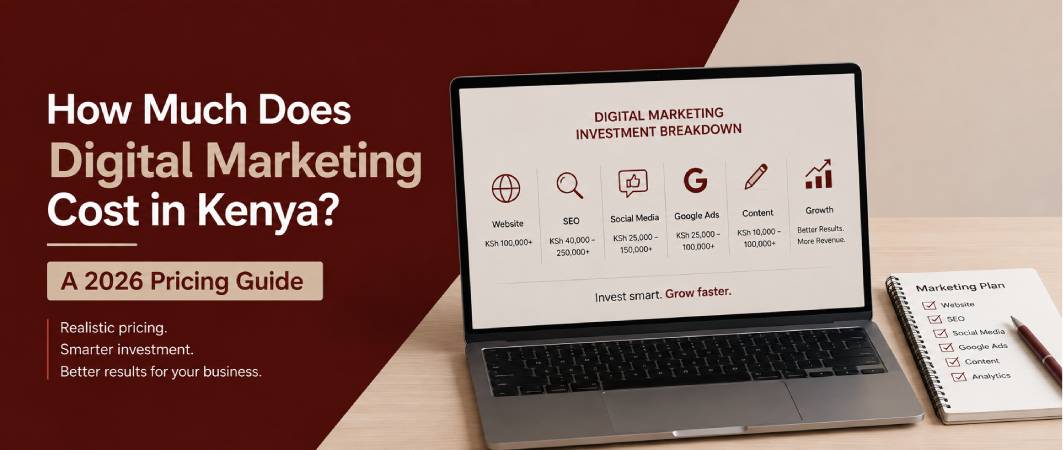
How Much Does It Cost to Generate Leads Online in Kenya?
There is no single cost for online lead generation.
Your investment depends on:
- Industry
- Competition
- Target audience
- Marketing channels
- Advertising budget
- Website quality
- Offer
- Sales process
You could generate leads organically through SEO and content, invest in paid advertising, or combine several channels.
The important question isn’t simply:
“How much does lead generation cost?”
It’s:
“How much does it cost me to acquire a customer, and how much is that customer worth?”
If a lead costs KSh 1,000 to acquire but generates KSh 50,000 in revenue, the economics can make sense.
If a lead costs KSh 5,000 and rarely converts, something needs to change.
Why Your Website May Be Getting Traffic but No Leads
Getting visitors is only one part of the equation.
If your website receives traffic but generates very few enquiries, you may have a conversion problem.
Common causes include:
- Weak messaging
- Poor website design
- Slow loading speeds
- No clear CTA
- Poor mobile experience
- Lack of trust signals
- Complicated contact forms
- Wrong audience
- Weak offers
You can read our guide Why Your Website Isn’t Getting Leads to learn more about the common problems that prevent websites from converting visitors.
A Simple Lead Generation Strategy for a Kenyan Business
If you’re starting from scratch, don’t try to do everything at once.
Start with the fundamentals.
Step 1: Define Your Target Customer
Know exactly who you’re trying to reach.
Step 2: Build or Improve Your Website
Make sure visitors can understand your offer and contact you easily.
Step 3: Optimise for Google
Identify the searches your potential customers are making and build your SEO strategy around them.
Step 4: Build Your Social Presence
Create useful, consistent content that builds credibility.
Step 5: Test Paid Advertising
Once your website and offer are ready, test Google or Meta Ads where appropriate.
Step 6: Track Everything
Measure leads, conversions and customer acquisition costs.
Step 7: Optimise
Keep improving based on the data.
That’s how you turn digital marketing from an expense into a growth system.
Why Osyne Focuses on Lead Generation
At Osyne, we believe your digital presence should do more than make your business look active online.
It should help you get found, build trust and generate opportunities.
We combine:
- Website Design & Development
- SEO
- Social Media Management
- Content Creation
- Google Ads
- Meta Ads
- Graphic Design
to create digital marketing strategies built around your business objectives.
We don’t believe every business needs to be on every platform.
We believe you need to be where your customers are, communicate the right message and make it easy for them to take action.
Ready to Generate More Leads Online?
If you’re getting website visitors, social media engagement or advertising clicks but not enough enquiries, it may be time to rethink your digital marketing strategy.
Osyne can help you identify what’s holding your online presence back and build a strategy focused on attracting the right audience and turning attention into leads.
Ready to grow your business online?
Get in touch with Osyne today and let’s build a digital marketing strategy around your goals.
Frequently Asked Questions
Start with a strong website, SEO, useful content, social media, targeted paid advertising and clear calls to action. The right combination depends on your target audience and business goals.
There isn't one best method for every business. SEO, Google Ads, social media, content marketing and other channels can all generate leads when matched to the right audience and strategy.
SEO, content marketing, organic social media, local SEO, referrals and email marketing can generate leads without paying directly for advertising placement. However, these channels still require time and consistent effort.
Yes. Google Ads can be particularly effective when potential customers are actively searching for the products or services your business provides. Campaign performance depends on targeting, keywords, advertisements, landing pages, conversion tracking and budget.
Social media can generate leads by building trust, educating your audience, demonstrating your products or services and directing interested people toward your website, WhatsApp, contact forms or other conversion points.
A professional website can act as the central point where traffic from Google, social media and advertising is converted into enquiries, bookings or sales. It should clearly communicate your offer and make taking action easy.
The timeline varies by channel. Paid advertising can generate enquiries relatively quickly, while SEO, content marketing and organic social media usually require more time to build momentum.
Use analytics, conversion tracking, contact forms, CRM data and campaign reporting to identify where enquiries originate. Tracking allows you to understand which channels are producing meaningful results.
Your budget should depend on your customer acquisition economics, competition, goals and available channels. Rather than choosing a budget based purely on what competitors spend, determine what a qualified lead and customer are worth to your business.